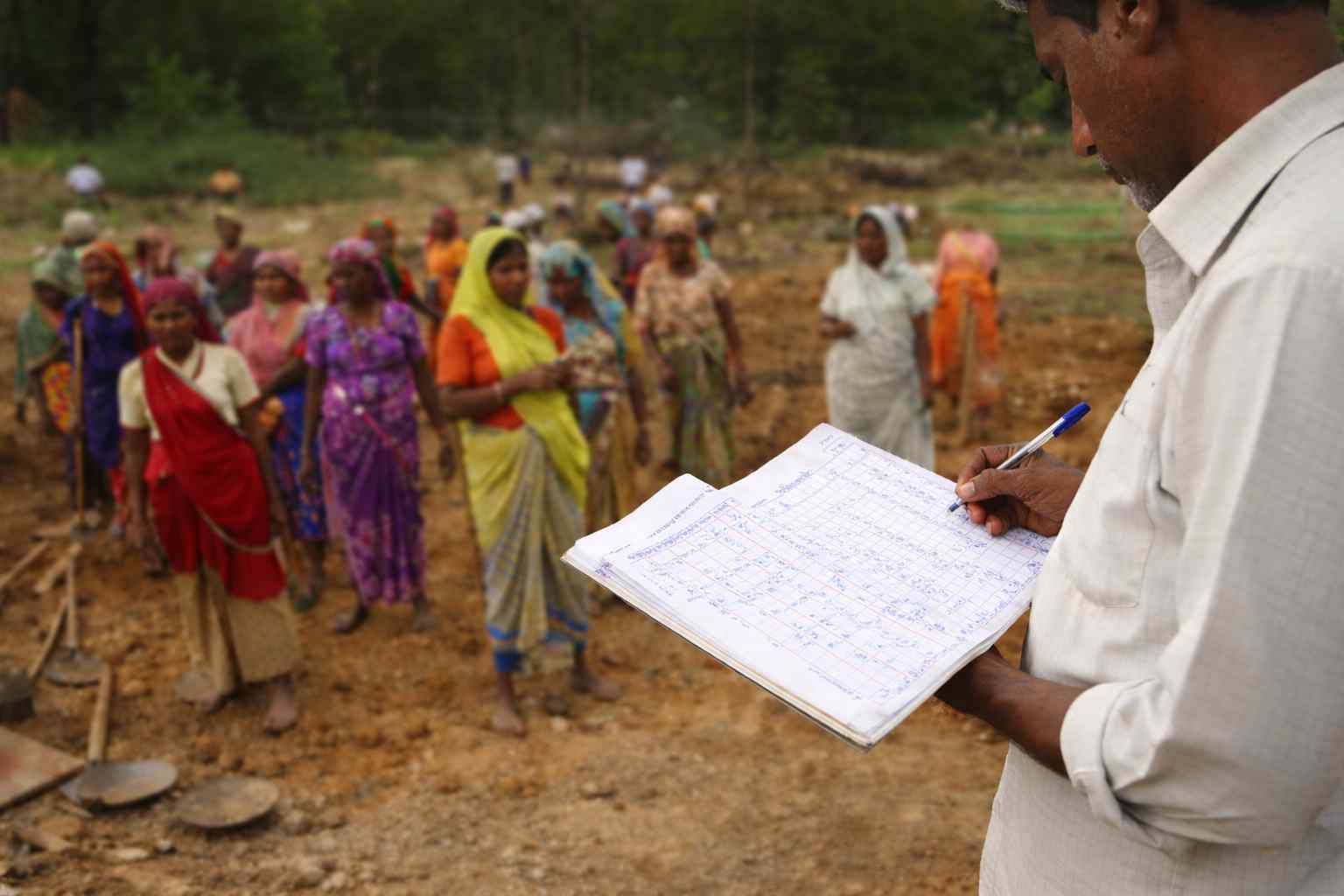
NREGA attendance is one of the most important parts of the rural employment programme. It directly decides how many days a worker is paid for and whether wages are released on time. Therefore, even small errors in attendance can create serious problems for workers who depend on this income.
In simple words, attendance under NREGA is the daily record of a worker’s presence at an approved worksite. This record confirms that the work was done and allows the system to calculate wages correctly. Because of this, attendance acts as the backbone of wage payment and transparency.
How Attendance Is Marked at NREGA Worksites
Attendance is usually marked by the worksite supervisor or mate. Earlier, this was done only through paper muster rolls. However, to reduce mistakes and improve monitoring, many states now use digital attendance systems.
Attendance may be recorded using:
- Manual muster rolls maintained at the site
- Mobile-based attendance applications
- Time-stamped photographs of workers
- Centralized online management systems
Once attendance is recorded, the data is uploaded to official portals. From there, it becomes part of the worker’s permanent employment record.
Connecting Attendance to Your Job Card
Before you can even mark your daily attendance, it is vital to ensure that your registration is active and valid. Your attendance is strictly linked to your unique 14-digit job card number.
If you need to verify your active status, apply for a new card, or understand your household registration details, you can read this comprehensive NREGA Job Card Guide before proceeding to the worksite.
Why Accurate Attendance Matters
Accurate NREGA attendance ensures that workers receive wages according to the number of days they worked. If attendance is missing, wages may be delayed or reduced. Therefore, checking records regularly is essential.
In addition, correct attendance helps authorities track work progress and prevents fake or duplicate entries. As a result, the system becomes more transparent and fair for everyone involved.
How Workers Can Check Their Attendance
Workers can now check their attendance records online through official portals. This helps them confirm whether their workdays have been recorded correctly.
An easy-to-understand explanation is provided on this NREGA attendance information page , which helps workers understand the data shown on attendance records.
Common Attendance Problems Faced by Workers
- Attendance marked but not uploaded on time
- Incorrect number of working days recorded
- Mismatch between attendance and wage payment
- Delays due to technical or network issues
However, most of these problems can be resolved if workers raise the issue early with local officials or use grievance mechanisms.
NREGA Muster Roll: The Core Attendance Document
The muster roll is the official register used to record daily attendance at every NREGA worksite. It contains the names of all workers assigned to a particular work order, along with the number of days each worker was present.
Key details recorded in a muster roll include:
- Worker's name and Job Card number
- Date-wise attendance (present or absent)
- Type of work performed
- Measurement details linked to work done
- Supervisor's signature or digital approval
Every muster roll is issued for a fixed period, typically 15 days. After the period ends, it is closed, verified, and uploaded to the NREGAsoft portal for wage processing. Workers have the right to inspect their muster roll entries at any time.
How Attendance Flows Into Wage Payment
NREGA attendance does not directly trigger a wage payment — it goes through a structured process before money reaches the worker's account:
- Attendance is recorded on the muster roll at the worksite
- Supervisor closes and verifies the muster roll after the work period
- Data is uploaded to the NREGAsoft portal by the programme officer
- Wage list is generated based on attendance and work measurement
- Payment is approved and transferred to the worker's bank or post office account
As per NREGA rules, wages must be paid within 15 days of completing the work period. Delays beyond this attract compensation for workers under the Act.
Attendance and the 100-Day Work Guarantee
Under NREGA, every rural household is legally entitled to up to 100 days of wage employment in a financial year. Attendance records are how the system tracks this entitlement — once a worker reaches 100 recorded workdays, no further work can be officially demanded under the programme for that year.
It is therefore important that attendance is marked correctly and not inflated or reduced. Fake entries can exhaust a worker's legal entitlement without them receiving actual employment or wages.
Workers can check how many days they have worked in the current financial year through their Job Card or by querying the official NREGA website using their Job Card number.
Role of Gram Panchayat in Attendance Oversight
The Gram Panchayat plays a central role in overseeing NREGA attendance at the village level. Key responsibilities include:
- Allocating work to households and issuing work orders
- Appointing worksite supervisors (mates) to record attendance
- Verifying muster rolls before forwarding for payment
- Conducting social audits to cross-check attendance against actual work done
- Addressing attendance grievances raised by workers
Social audits are mandatory under NREGA and provide an important check on attendance fraud. During a social audit, villagers publicly review muster rolls and compare records with what actually happened on the worksite.
Frequently Asked Questions (FAQs)
1. What is NREGA attendance?
NREGA attendance is the daily record of a worker's presence at a registered worksite. It is used to calculate wages and verify completed work.
2. Who marks attendance under NREGA?
Attendance is marked by the worksite supervisor or mate, either manually or through approved digital systems.
3. Can workers check attendance online?
Yes, workers can view their attendance records online using official portals or verified information platforms.
4. What should a worker do if attendance is missing?
The worker should first contact the worksite supervisor. If the issue continues, it should be reported to the gram panchayat or block office.
5. Does attendance affect wage payment?
Yes, wages are calculated strictly based on attendance. No recorded attendance means no wage payment for that day.
6. What is a muster roll in NREGA?
A muster roll is the official attendance register maintained at every NREGA worksite. It records daily presence of workers and is used to generate the wage list after the work period ends.
7. How many days of work can a household get under NREGA?
Every rural household is entitled to up to 100 days of wage employment per financial year under the NREGA guarantee. Attendance records track this entitlement.
8. Can attendance be marked using a mobile phone?
Yes, many states use mobile-based attendance applications where supervisors can record presence with time-stamped photographs. This reduces manual errors and speeds up the upload process.
9. What is a social audit and how does it relate to attendance?
A social audit is a public review process where villagers examine NREGA records, including muster rolls, to verify that attendance was recorded honestly. It is a key tool to prevent fraud and protect worker rights.
Conclusion
NREGA attendance is not just a routine task. It directly affects wages, transparency, and trust in the employment system. From the muster roll to the final wage transfer, every step depends on accurate and timely attendance recording. By understanding how attendance works, checking records regularly, and raising issues early, workers can avoid delays and protect their legal entitlements under the programme.